
A Strategic Guide for Art Students and Parents
Applying to art schools is about more than just talent. Your art school application process must also be strategic, structured, and built around sustainable development.
A strong art portfolio cannot be created just a few months before applications are due. It requires planning, concept development, and professional presentation, all of which should demonstrate your growth and artistic voice.
If you are preparing for schools such as Rhode Island School of Design, Parsons School of Design, Pratt Institute, or School of Visual Arts, this guide will walk you through how to build a competitive art portfolio in 12 months, the right way.
At New York Art Studio, we structure our College Portfolio Preparation program around this exact timeline.
Why is 12 months an ideal timeline to prepare a college art portfolio?
Most competitive art schools require:
– 12–20 finished works
– Strong observational drawing
– Conceptual projects
– Process documentation
– Personal voice development
– Cohesive presentation
Trying to complete all of this in 3–4 months often leads to rushed work. Your themes may start to repeat and lack fresh ideas. If you need additional time to develop technical skills, three months is simply too short to advance to a higher level. As a result, your work may lack depth, as each of these elements directly impacts the overall quality of your portfolio.
On the other hand, a 12-month portfolio plan allows students to build technical mastery. It provides time to experiment, refine ideas, and revise projects after critiques. With more time, you can develop a cohesive body of work and prepare your submission professionally, including photographing your artwork properly and carefully editing images.
These two time frames are the difference between hobby-level art classes and structured college art portfolio preparation.
Month 1–3: Strengthening Technical Foundation
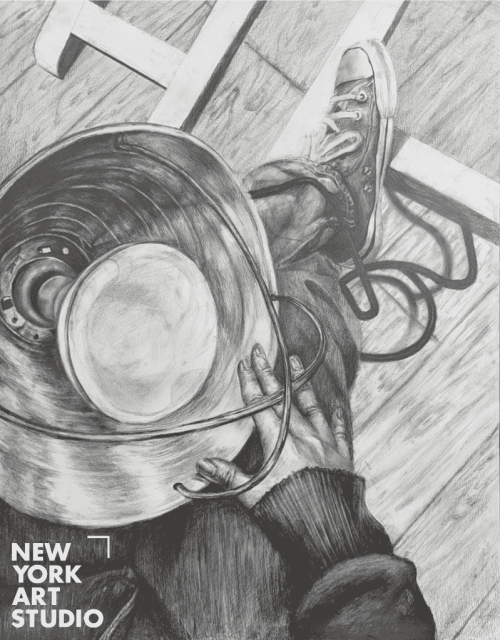
Before developing your conceptual thinking, you must first master the fundamentals of visual art. The primary areas to focus on are observational drawing, including still life, figure drawing, and interior spaces. Composition helps you understand how to approach the page and organize what you observe as a final image. You also need to understand light and shadow, proportion, and perspective to grasp how space functions and how light affects what you see. Material exploration is equally important, as it teaches you how to adapt to different media and techniques.Admissions reviewers at top art schools consistently prioritize drawing ability, even for design applicants.
For example:
– Rhode Island School of Design emphasizes strong foundation skills.
– Pratt Institute looks for evidence of direct observation and craftsmanship.
Without strong technical skills, conceptual ideas cannot fully develop or stand on their own.
At New York Art Studio, students begin with structured exercises and individualized critiques in small 6:1 ratio classes to build a strong foundation.
Month 4–6: Concept Development & Personal Voice
Once the technical foundation improves, the next step is to create concept-driven work. This is a crucial stage of the portfolio-making process, as it is often where portfolios begin to fall apart.
Students may repeat similar subjects, copy trending styles, or submit art class assignments without depth. These kinds of pieces avoid risk-taking and lack meaningful development. A competitive portfolio must demonstrate research and narrative development. It should reflect personal inquiry, growth, and thoughtful iteration.
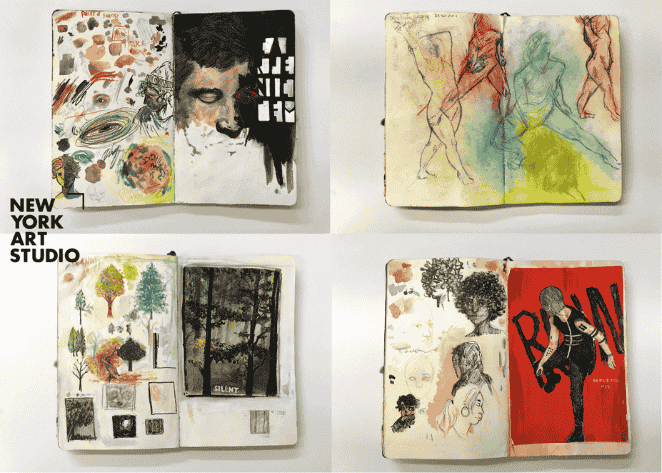
This is the stage when students typically develop a thematic series. Projects may explore identity, environmental issues, or social themes. During this time, students experiment with materials and carefully document process sketches, revisions, and conceptual evolution.
Schools such as Parsons School of Design and School of Visual Arts place strong emphasis on conceptual clarity and originality. A well-developed concept is what separates strong applicants from average ones.
Month 7–9: Portfolio Cohesion & Refinement
Now it’s time to evaluate the portfolio as a whole.
Some important questions students must answer include: Does the work feel cohesive? Is the growth from piece one to piece fifteen apparent? Does the portfolio demonstrate a range of abilities without losing its essence and identity? Is the craftsmanship consistent throughout the work?
This is the stage where professional critique is needed most. At New York Art Studio, we conduct midterm portfolio reviews in which weaker pieces are removed. Stronger replacements are then developed, technical flaws are corrected, and presentation standards are elevated.
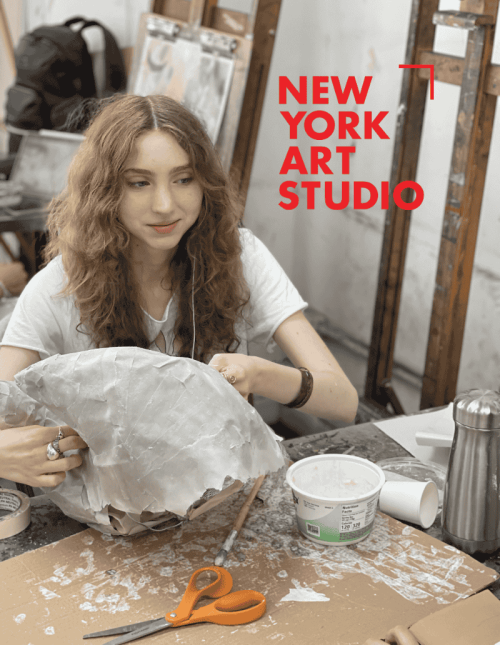
This phase often includes significant revisions to strengthen the portfolio as a whole. Typically, three to five pieces require reworking. Artwork is analyzed to improve composition, refine color harmony, or enhance overall impact. Additionally, this is the time to deepen conceptual clarity. Many students underestimate how crucial this step truly is.
Professional portfolio preparation involves multiple rounds of refinement and careful editing to achieve the strongest possible final presentation.
Month 10–11: Finalization & Documentation
A strong portfolio must also have a strong presentation. This stage focuses on high-resolution documentation with proper lighting standards. It includes carefully editing images of your art and formatting them appropriately. This is also the time to finalize the artist statement and Slideroom artwork descriptions. Poor photography and formatting can weaken otherwise strong work.
At New York Art Studio, we guide students through a professional documentation setup and school-specific formatting requirements. We also coach students on how to organize their work strategically to create the strongest overall impression through sequencing.
Different schools may have slightly different requirements for a portfolio and what to include. For example, RISD may require process work, while Parsons may include additional supplemental writing prompts. Strategic alignment with each school’s specific requirements increases both your competitiveness and your chances of admission.
Month 12: Mock Review & Submission Preparation
This is the final stage of your preparation, where all the hard work culminates in the ultimate goal: submitting the portfolio. Before doing so, we focus on a full portfolio mock review. Afterward, students are encouraged to make final adjustments and ensure that their timeline aligns with deadlines.
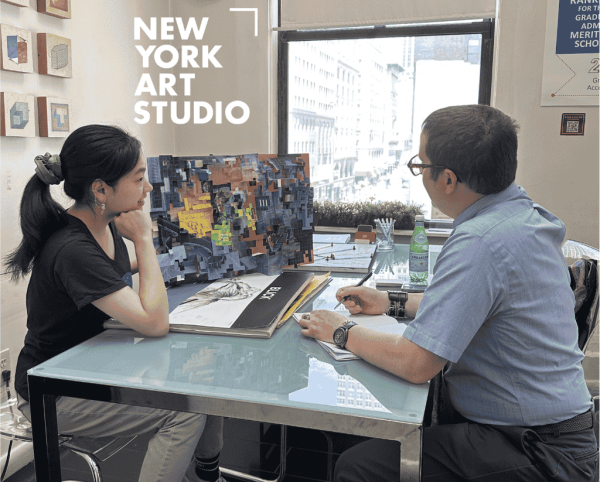
During the mock review, students present their portfolio as if to an admissions committee. We evaluate technical strength, overall conceptual clarity, cohesion, risk-taking, and presentation quality. This final review helps determine whether a portfolio moves from “good” to truly “competitive.”
Common Mistakes Students Make in College Art Portfolio Preparation
- Starting too late
- Submitting repetitive subjects
- Including copied or fan art
- Avoiding observational drawing
- Ignoring process documentation
- Not revising weak pieces
- Focusing only on quantity, not depth
These mistakes are avoidable with structured guidance.
Why Structured Portfolio Preparation Matters
There is a significant difference between regular art classes and College Art Portfolio Preparation. Regular art classes provide valuable skill practice through isolated, unrelated projects and are generally focused on developing creativity. College art portfolio classes, on the other hand, are strategically aligned with art school requirements. These classes offer structured critiques, competitive evaluation standards, and cohesive development of all artwork. They also emphasize professional documentation and presentation.
At New York Art Studio, our College Portfolio Prep program is goal-oriented and personalized for each student based on their target schools. It is structured with milestone portfolio reviews and designed specifically for competitive admissions. Students work in small groups with a 6:1 student-to-teacher ratio, allowing for more individualized instruction. We also offer private lessons for students seeking more intensive portfolio development.
When Should Students Start?
Ideally, you should begin preparing your portfolio in 9th and 10th grades by building strong foundational skills. 11th grade is the ideal time to start intensive portfolio development, and the summer before your senior year is perfect for final refinement.
Starting early not only reduces stress but also significantly increases your competitiveness!
Final Thoughts: Building a Portfolio That Stands Out
A competitive college art portfolio cannot be built from unrelated projects taken from different art classes. A strong portfolio requires time, care, and consistency. It demands a long-term strategy, as well as professional critique and revision, which encourage cohesive development and alignment with school-specific requirements; a crucial element for a successful portfolio.
If you are serious about applying to competitive art and design schools, structured portfolio preparation is essential and can make a measurable difference in your admissions results.
Ready to Start Your College Art Portfolio Preparation?
At New York Art Studio, we specialize in:
Schedule a one-on-one consultation with our Admissions Advisor to evaluate your current level and build a personalized 12-month plan.
Your portfolio is more than artwork; it is your admission strategy.
Started Late? How to Catch Up with a Summer Intensive Portfolio Program
Not every student begins 12 months in advance, and that is absolutely okay!
If you are a student starting in the Spring of your junior year or the Fall of your senior year, a structured summer intensive portfolio preparation program can dramatically accelerate your portfolio development.
At New York Art Studio, our summer intensive allows students to:
- Work in fast-paced, focused sessions
- Complete multiple major portfolio pieces
- Strengthen technical skills rapidly
- Receive daily critique and revision
- Build concept-driven work efficiently
Instead of spreading development across a full year, students compress critical stages into an immersive, structured format.
This is especially helpful for:
* Rising seniors
* Transfer applicants
* Students who delayed preparation
* Students pivoting from hobby art to serious portfolio work
A summer intensive does not replace long-term preparation, but when guided properly, it allows motivated students to catch up strategically without sacrificing quality.


